
About Us
A territory, a network, and a community hosting the world
Oeste UNESCO Global Geopark and the Portuguese Forum of UNESCO Global Geoparks will welcome the global geoparks community to Torres Vedras in 2027.
About GGN
Global Geoparks Network
The GGN is the international network that brings together all UNESCO Global Geoparks — single, unified geographical areas where sites of international geological significance are managed with a holistic concept of protection, education, research and sustainable development.
Conserve geological heritage
Protect sites of international geological value and the landscapes, biodiversity and culture connected to them.
Educate and engage
Bring Earth science to schools, visitors and local communities, building geoliteracy and climate awareness.
Develop sustainably
Support local economies through responsible geotourism, local products and long-term partnerships.
The Global Geoparks Network (GGN), is a non-profit International Association officially established in 2014 subject to French legislation. The Global Geoparks Network is the official partner of UNESCO for the operation of the UNESCO Global Geoparks.
The GGN was initially founded in 2004 as an international partnership developed under the umbrella of UNESCO and serves to develop models of best practice and set quality-standards for territories that integrate the protection preservation of Earth heritage sites in a strategy for regional sustainable economic development.
Networking and collaboration among Global Geoparks is an important component of the Global Geoparks Network.
The Global Geoparks Network promotes networking on a regional basis.
For Global Geoparks in Asia – Pacific the Asia-Pacific Geoparks Network (APGN) acts as the Regional Network of the GGN.
For Global Geoparks in Europe, the European Geoparks Network (EGN) acts as the Regional Network of the GGN.
For Global Geoparks in Latin America and Caribbean, the Latin American and Caribbean Geoparks Network acts as the as the Regional Network of the GGN.
For Global Geoparks in Africa, the African UNESCO Global Geoparks acts as the Regional Network of the GGN.
The GGN prioritizes the creation of similar Regional Networks, reflecting local conditions, elsewhere in the world.
GGN Executive Board

SÁ Artur
President

FURUSAWA Kana
Vice-President
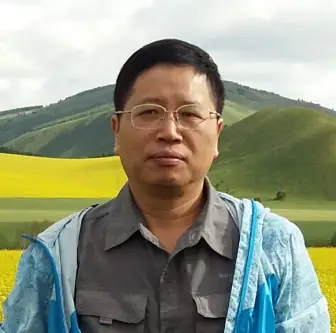
ZHANG Jianping
Vice-President
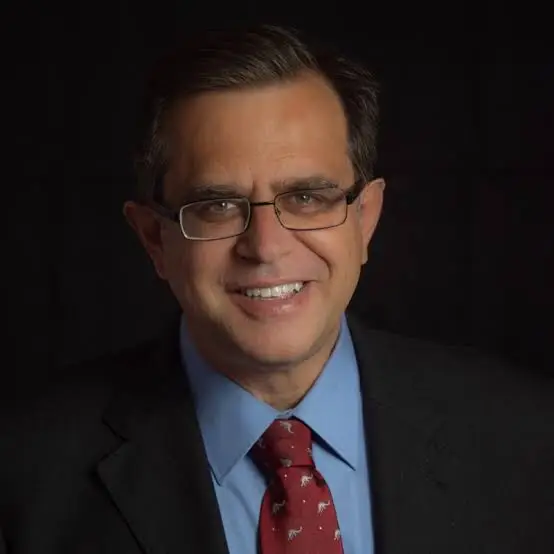
ZOUROS Nikolaos
General Secretary
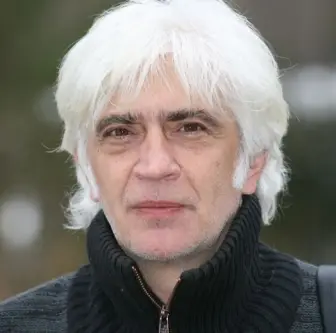
MARTINI Guy
Treasurer
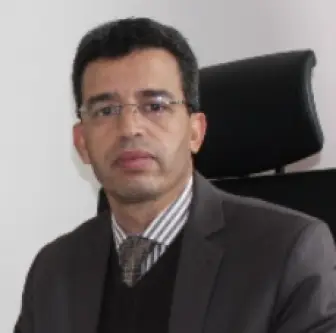
ACHBAL Driss
Member

RANGNES Kristin
Member
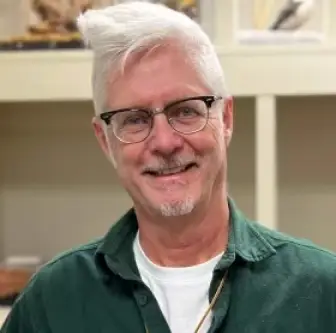
CALDER John
Member

FREY Marie-Luise
Member

JIN Xiaochi
Member
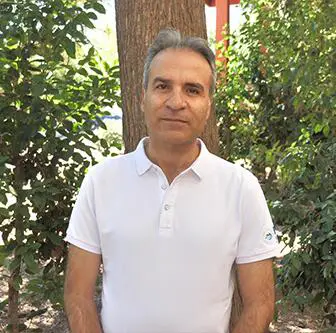
AMRIKAZEMI Alireza
Member
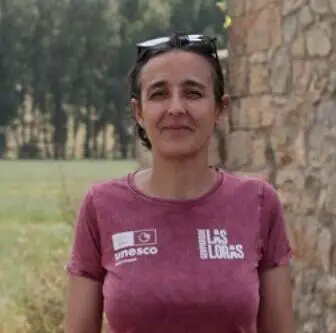
SALMAN Karmah
Member
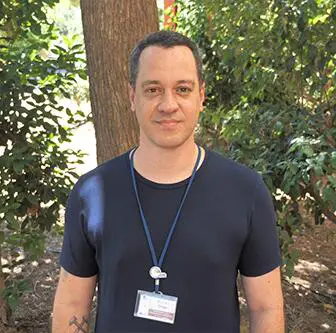
MARINHO Thiago
Member

PASKOVA Martina
Member

Azmil Munif Mohd Bukhari
Member
Oeste Geopark
From a local idea in 2017 to hosting the 12th International Conference
2017
The Lourinhã Ethnology and Archaeology Group, five municipalities, Torres Vedras History Society and Universidade Nova de Lisboa start the analysis and debate on nominating the territory.
2019
The project grows to six municipalities, with an inventory of geosites, scientific validation and a shared governance model.
2022
The application dossier is submitted, supported by 15 science organisations and over 200 business and association partners.
2024
Oeste is recognised as a UNESCO Global Geopark, covering more than 60 geosites and 213,000 inhabitants.
2026
The Global Geoparks Network confirms Torres Vedras as the host city of the 12th International Conference on UNESCO Global Geoparks.
2027
The conference takes place at ExpoTorres, Torres Vedras — a celebration of Earth heritage, science and cooperation.
Oeste Geopark Team
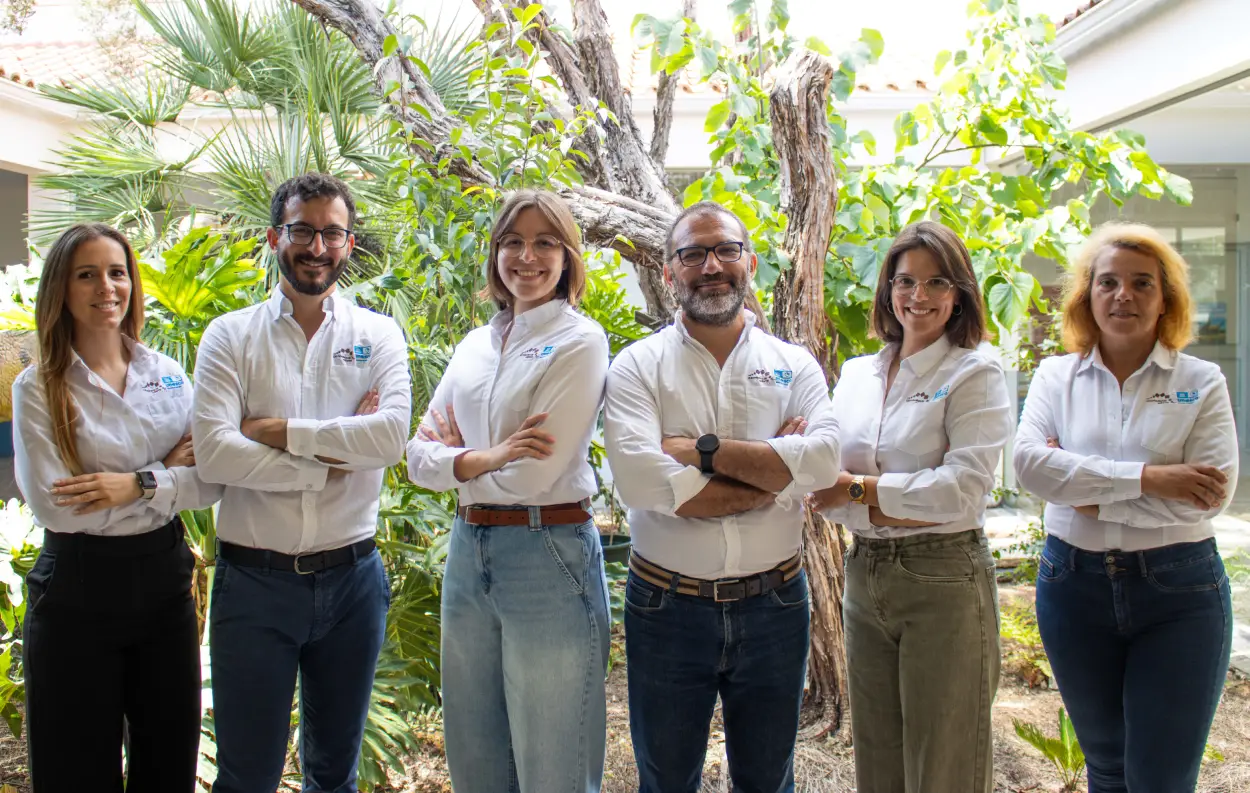
The FACES that will welcome you

Jorge Lobo de Mesquita
Portuguese UNESCO Ambassador
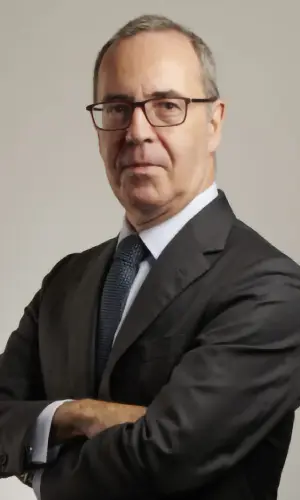
Carlos Abade
President of the Board of Portuguese National Tourism Office
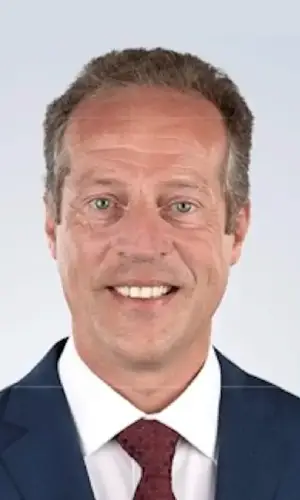
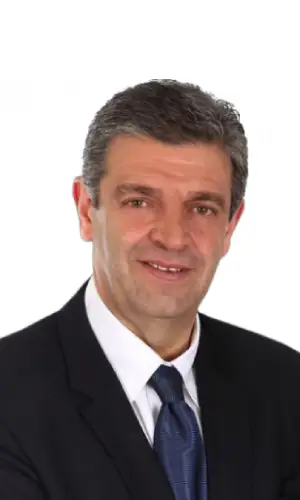

Liliana Delgado
President of AGEO
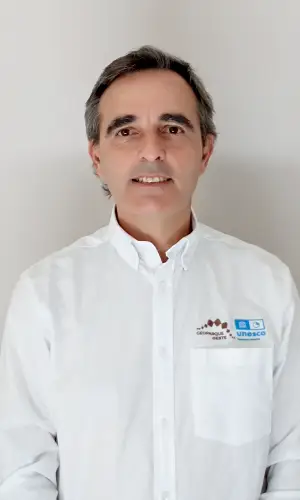
Nuno Pimentel
Scientific Coordinator of Oeste UGGp
Identified and Characterised Geosites
Geosites of International Significance
Geoscience Bibliographic References
Our Mission
To contribute to the preservation, conservation, valorization, dissemination, and dynamism of natural and cultural heritage, with special emphasis on geological heritage. This involves committing to the dissemination of scientific knowledge, promoting education, tourism, and the sustainable development of the populations and territory of the Oeste Geopark.
Our Vision
To be an aggregating institution that promotes and enhances the heritage of the Oeste Geopark territory through the participation of its key stakeholders, thereby becoming a reference in its area of action.
SGD's
Oeste UGGP Sustainability Initiatives
The 2030 Agenda, adopted by the United Nations in 2015, is a global action plan to eradicate poverty, protect the planet, and ensure prosperity for all. It is structured around 17 Sustainable Development Goals (SDGs) and provides a framework for sustainable development at local, regional, and national levels.
This report examines how municipalities in the Oeste UGGP – Bombarral, Cadaval, Caldas da Rainha, Lourinhã, Peniche, and Torres Vedras – have been integrating these goals into their policies and initiatives, highlighting the most significant SDGs in the region. Therefore, we found that not all objectives for sustainable development are covered in this document, which does not mean that there are no associated initiatives.
We also highlight the fact that the municipalities of Cadaval and Torres Vedras stood out in this area, being recognized nationally by the sdgs Local Platform.

Details
The Oeste region is a leader in promoting sustainable agriculture, leveraging its strong agricultural sector. We highlight: Bombarral and Cadaval excel in supporting local farmers, especially in fruit production (e.g., Rocha pear and apples), through markets and training programmes. Torres Vedras has developed initiatives to combat food waste and promote food education.

Details
The region prioritises health infrastructure and activities to encourage healthy lifestyles: Caldas da Rainha is renowned for its thermal hospital, contributing to health tourism. Torres Vedras runs mental health support programmes targeting schools and communities.

Details
The Oeste UGGP municipalities implement a set of measures aligned with this sgd's indicators, through local education policies, and concrete measures, developed individually by each school group. Highlights include: Lourinhã uses its palaeontological heritage, led by the Museum of Lourinhã, to promote environmental education among schools and tourists. Peniche offers vocational training for young fishermen, emphasizing sustainable fishing and marine conservation.

Details
There are projects being developed in the area of saving resources, such as water. Here, Torres Vedras has stood out: Municipalities like Torres Vedras have been implementing wastewater reuse systems for agriculture and urban green spaces.

Details
Energy transition is a regional priority, evident in energy transition projects related to the energy supply of public buildings, adopting electric public transport, and replacing municipal fleets with electric vehicles, among others. Highlights include: Torres Vedras is investing heavily in solar energy and energy efficiency measures for municipal buildings. Bombarral has explored opportunities to install solar panels on agricultural properties.

Details
Urban mobility and sustainable city planning are key focuses for the municipalities: Caldas da Rainha has developed pedestrian zones and cycling paths to reduce car traffic. Torres Vedras is a frontrunner in green public transport and soft mobility programmes.
Details
The Oeste UGGP territory is actively promoting sustainable consumption. This involves initiatives like local composting, door-to-door waste collection, circular economy projects, and fostering local supply chains. Specifically, Peniche champions sustainable fishing and the blue economy, while Torres Vedras focuses on combating food waste.
Details
Climate change mitigation and adaptation are central to the region's policies: Torres Vedras is recognised for its Climate Action Plan, including food management and waste management measures. Lourinhã, Peniche, Cadaval e Caldas da Rainha supports reforestation projects and biodiversity conservation.
Details
Oeste UGGP municipalities are committed to peace and SDG 16, actively promoting gender equality, non-discrimination, and human rights. This includes refugee reception, women's programs, and social justice initiatives.

Details
The cooperation between these municipalities led to the creation of the Oeste Geopark, which recently received recognition as a UNESCO Global Geopark. This international accolade highlights the excellence and uniqueness of the region's natural and cultural heritage, achieved through joint efforts to promote sustainable development.
Join the 12th Global Geopark Network International Conference
The global geoparks community is gathering in Torres Vedras. Join this landmark event to exchange knowledge, bridge cultures, and advance the sustainable future of our Earth. Secure your participation today.